
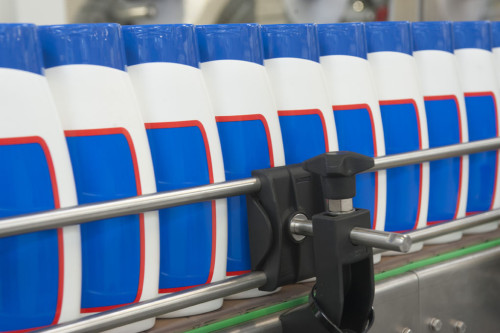
Label quality, and how well they are applied, are critical factors in whether a product is picked from the shelf. From the first glance in the store, to that final decision at the checkout, consumers are constantly making judgments, many of them subconscious, about the products they see. One critical detail that is often underestimated is label application.
For manufacturers and retailers, labels are more than just identifiers. They are front-line ambassadors for your brand. When a label is wrinkled, skewed, bubbling or poorly aligned, it doesn’t just look unprofessional, it can hurt consumer confidence and reduce the likelihood of purchase.
Numerous studies show that packaging plays a major role in shaping consumer decisions. Around 72% of consumers say that packaging design influences their purchasing decisions, and 81% have tried a new product simply because the packaging caught their eye.
This extends directly to label presentation. Labels are often the first point of contact between the consumer and the product’s story — brand identity, value, quality and purpose are all communicated here. If that interaction signals “careless” or “low quality”, the product is at a disadvantage before it’s even picked up!
A poorly applied label can signal several negatives to a consumer:
A lack of quality control or brand care
Potential damage or contamination, especially for food, beverage or health products
A product that is less authentic or inferior
Packaging and labelling experts note that visible imperfections, such as skewed or uneven labels, are often interpreted as contamination cues, which can reduce perceived quality and willingness to pay.
While exact figures specifically on misaligned labels are limited, research on general packaging influence indicates that over half of consumers associate high-quality packaging with product quality, meaning poor packaging, by contrast, lowers perceived value.
We are all excellent pattern recognisers. When packaging “feels right”, symmetrical, crisp, clear and complete, it aligns with expectations for quality and care. When a label is crooked or wrinkled, the consumer may subconsciously question:
Was this product made with care?
Is it genuine and reliable?
Could it be past its best before date or mishandled?
These questions may not be articulated at the conscious level but they influence purchasing behaviour in split seconds.
This aligns with broader research showing that consumers often make 73% of their purchase decisions at the point of sale, with packaging as a key differentiator.
When a consumer picks up two similar products, the one with better packaging and labelling generally wins. Studies show that more than half of consumers are likely to buy again from a brand after a positive packaging experience, while poor presentation works against repeat purchase and brand loyalty.
In crowded retail aisles or online marketplaces where attention spans are short and competition is fierce, label quality becomes a competitive advantage. A misprinted or misapplied label does more than look untidy, it weakens the brand story, reduces shelf appeal and can cost sales.
Invest in reliable labelling systems: Precision application reduces errors that could undermine product appeal.
Monitor quality consistently: Automated inspection and quality control can catch misalignment before products reach shelves.
Consider consumer psychology: Think about your product from the shopper’s perspective — what first impression are you making?
Packaging and labelling are not just cosmetic details, they communicate quality, build trust and influence buying decisions long before the consumer tries the product. As consumers are being increasingly discerning and trust is a major buying factor, perfect label application is a simple yet powerful way to protect brand integrity and drive sales.
Advanced Labelling Systems Ltd have over 30 years of labelling experience and even as application speeds are getting faster (up to 200m/min) applied accuracy remains perfect. Whether you are a small artisan producer and just want to advance from labelling by hand to a semi-automatic machine, or a big multi-national brand with your reputation at stake, please talk to us about your labelling requirements;